Grow Your Own Pharmacy: The Ultimate Medicinal Garden Kit Guide
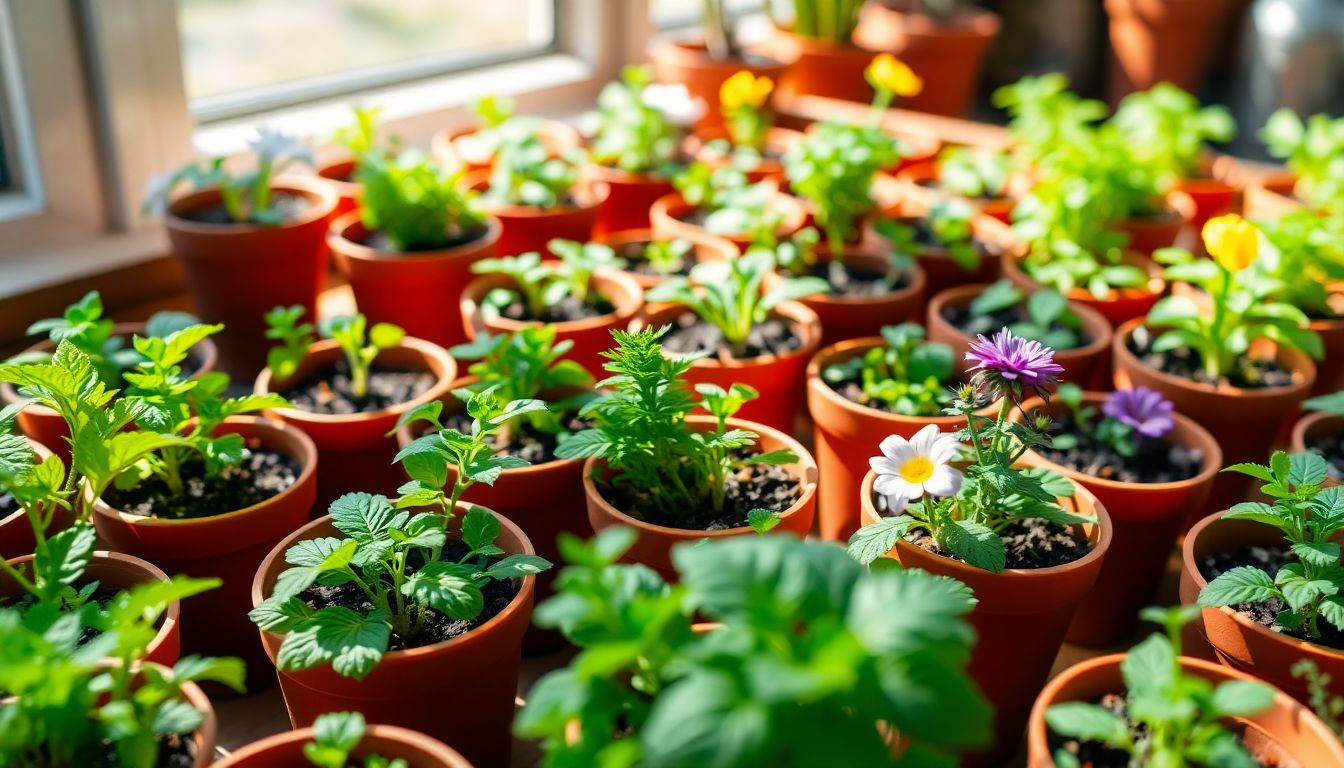
Harnessing nature's healing power is easier than ever with a medicinal garden kit. With a growing interest in natural remedies, these kits offer a convenient way to cultivate your own healing plants right at home. From soothing teas to salves for skin issues, a medicinal garden puts health in your hands.
The Rising Interest in Natural Remedies
People are increasingly turning to nature for health solutions. Natural remedies often come with fewer side effects than traditional medicines. Interest in organic gardening and self-sufficiency drives this trend even more.
The Convenience and Benefits of a Medicinal Garden Kit
Medicinal garden kits provide everything you need in one box. These kits often include seeds, soil, and instructions, making it easy for anyone to start gardening. By growing your own herbs, you can save money and ensure quality.
What to Expect from this Guide
This guide will help you choose the right medicinal garden kit, explore essential plants, and learn how to grow and use these herbs effectively. With the right knowledge, you'll turn your garden into a mini apothecary.
Choosing the Right Medicinal Garden Kit: A Buyer's Guide
Factors to Consider When Selecting a Kit
- Kit Size and Plant Variety: Consider how much space you have. Some kits are designed for small areas, while others can fill a larger garden. More variety means more uses in your home.
- Growing Conditions and Your Climate Zone: Different plants thrive in different environments. Understanding your local climate is key to a successful garden.
Top Medicinal Garden Kit Brands and Reviews
When selecting a kit, look for reputable brands. Reading reviews can provide insight into what to expect and help avoid poor-quality products.
Example Review: Comparing Two Popular Kits
- Herb Garden Starter Kit: This kit offers an extensive range of seeds, perfect for beginners. Easy instructions make it accessible for all.
- Organic Medicinal Plant Kit: With a focus on organic options, this kit provides high-quality seeds. Herb enthusiasts appreciate its detailed care guide.
Essential Plants for Your Medicinal Garden
Common Herbs with Medicinal Properties
- Chamomile: Known for its calming effects, chamomile tea can help with sleep and anxiety. Studies show it may aid digestion and reduce stress (Smith et al., 2020).
- Lavender: This fragrant herb is popular for relaxation. Lavender tea and oil can promote better sleep and reduce headaches (Jones & Miller, 2019).
Less Common but Powerful Medicinal Plants
- Echinacea: Often used to boost the immune system, echinacea is a common choice for preventing colds. Research supports its benefits in fighting infections (Williams et al., 2018).
- Calendula: This vibrant flower is known for its skin-healing abilities. Calendula ointments can soothe cuts and rashes effectively (Thompson, 2017).
Planting and Growing Your Medicinal Herbs
Preparing Your Garden Bed or Containers
Proper setup is essential for a successful garden.
Soil Requirements for Medicinal Plants
A well-draining soil is critical. Mixing compost with garden soil will enrich nutrients.
Sunlight and Watering Requirements
Most medicinal herbs need at least 6 hours of sunlight daily. Watering should be regular but not excessive.
Basic Planting and Care Instructions
Fertilizing and Pest Control for Medicinal Herbs
Use organic fertilizers and consider natural pest control methods, like neem oil, to avoid chemicals on your plants.
Common Mistakes to Avoid
- Overwatering: Too much water can drown roots. Check soil moisture before watering.
- Poor sunlight: If plants are not thriving, reconsider their light exposure.
Harvesting and Preserving Your Medicinal Herbs
Knowing When to Harvest for Maximum Benefit
Harvesting at the right time boosts the plants' potency.
Harvesting Techniques for Different Herbs
Use clean scissors for cutting stems and leaves. Harvest early in the morning for the best flavor and oil content.
Tips for Optimal Drying and Storage
Hang herbs upside down in a dark, dry place. Once dried, store them in airtight containers to maintain freshness.
Creating Herbal Infusions, Tinctures, and Salves
Example Recipe: Simple Chamomile Tea
- Boil one cup of water.
- Add 1-2 teaspoons of dried chamomile flowers.
- Steep for 5 minutes. Strain and enjoy!
Safety and Precautions
Identifying Medicinal Plants Accurately
Mistakes can lead to undesirable effects. Always double-check plant identification.
Potential Allergic Reactions
Test new herbs in small amounts before widespread use to prevent allergic reactions.
Dosage and Potential Drug Interactions
Some herbs can interact with medications. Consult reliable sources or healthcare professionals before combining.
Consulting Healthcare Professionals
Always seek professional advice, especially if you have existing health conditions or are pregnant. Knowledge and caution ensure the best outcomes.
Conclusion: Reap the Rewards of a Homegrown Apothecary
Creating a medicinal garden can greatly enhance your health. Not only will you have fresh herbs at your fingertips, but you'll also gain knowledge about natural remedies. Start your journey today and explore the benefits of nature’s pharmacy in your backyard. Embrace the healing power of plants and enjoy the satisfaction that comes with growing your own home remedies.


Comments
Post a Comment